
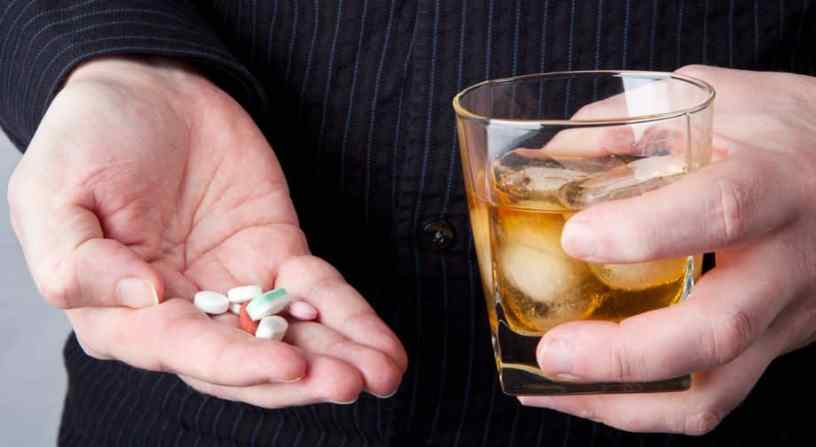
We researched how drink and drug addictions are treated within the UK. Read this, then get the help you need.
If you are unlucky enough to have a drink or a drug addiction, then you know the horrors of that downward spiral. Drink and drug addictions creep up on us. One day we are fine and the next day we are wondering why we can’t stop using. They are detrimental to our mental and physical health as well as our pockets. If we can’t quit using drink or drugs, we will eventually die from our addiction. It is just that serious.
With all the above in mind, we thought it was high time we look at how drink and drug addictions are treated. We want to put readers at ease should they require treatment for addiction. Let’s review how we treat these conditions medically, to try and lessen the fear of rehab centres.
The Many Stages of Addiction Treatment
When we are suffering from an addiction, there are many stages involved in recovery. We count these as at least three, although there are micro stages in between.
Stage One: Detox
When you decide to get off a substance, you must go through the detox process. This is true for any addiction that has altered the chemical makeup of your body. If you have been a drinker for many years, and you suddenly quit drinking, your body is going to want to compensate for that. Detox is a safe space in which it can do so while it can be medically assisted. Detox does not have to be medically assisted.
Detox should always be done within the safety of a medical environment. That should be controlled. You should have medical supervision. There are very few occasions where at home detox is possible. That should be avoided if your addiction is anything other than the mildest.
Stage Two: Rehab
According to the experts at Help4Addiction, rehab is where we do the most work towards keeping ourselves in recovery. Once we are chemically drug free, we must remain psychologically drug free.
During rehab, you will stay on site in a private clinic. If you go through rehab on the NHS in England and Wales, you will share a room. You will have one on one sessions with a therapist or psychologist. You will have group therapy sessions more than twice a week. You will be invited to attend exercise programmes to keep you fit. The doctors there will devise a healthy meal plan to keep you nourished.
Rehab includes workshops focused on your recovery. Workshops includes things like relapse prevention, building your CV, and how to get back to normal life. There are programmes available in rehab. Such as the 12 steps for alcoholism and even programmes focused on therapies. Holistic therapies are available in rehab. The whole idea is that you are kept busy from morning until night so that you don’t think about your addiction.
Stage Three: The Transition
There is a period between leaving rehab and settling back into normal life where you are particularly vulnerable. Rehab clinics often offer aftercare programmes. These aftercare programmes allow you to ease that transition with the use of telephone support, ongoing therapy and even online sessions.
Making A Full Recovery
It can take more than one stint in rehab to make a full recovery. Be prepared to work hard. The results are worth it.
 The Official Health blog