
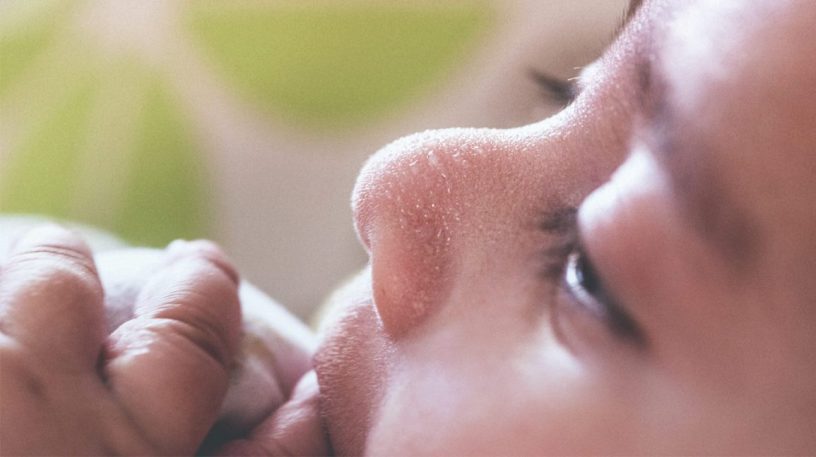
Is the atmospheric condition normal but your child is sweating excessively? Is this affecting your child’s activities like playing and studying? What causes children to sweat excessively? Should you be worried? What symptoms should you look out for to know if your child has a hyperhidrosis condition? How can you treat this condition?
Excessive sweating in children.
It is normal for a child to sweat after doing strenuous physical activity. A child sweating more than usual is an indication that there is a problem. Your child might be suffering from a hyperhidrosis condition that affects your child’s underarms, hands, feet, and sole. Due to sweaty palms, a child with this condition can’t hold a pen properly as it keeps slipping. Your child may feel embarrassed and shy away from social gatherings. A routine checkup is essential to manage and control your child’s condition.
Symptoms.
- The child’s clothes are soaked in sweat.
- Sweating on the face and arms under normal temperature conditions.
- In the warm environment and stressful situations, sweating worsens significantly.
- The excessively produced sweat interferes with the child’s daily activities.
Causes.
Hyperhidrosis is a condition that occurs when the sweat glands produce excess sweat. It is normally caused by anxiety, fever, or physical activity. Excessive sweating in children can be caused by:
- Diabetes.
- Infections.
- Hypertension.
- Hyperthyroidism.
- Metabolic and hormonal disorders.
- Congestive heart failure.
- Some prescription drugs.
Treatment.
- Antiperspirant.
Effective antiperspirants for children should contain aluminum chloride. It prevents the production of sweat by clogging sweat glands. If your child has sweaty armpits, increase their confidence by getting them the best deodorant for sweat. When your child is sweating excessively after physical activity but has no time to shower, shower wipes will enable them to freshen up quickly. To block any odor, you should use a body powder with antiperspirant wipes.
- Oral medications.
Oral anticholinergic medicine dries out the body hence highly effective in the reduction of sweat. The side effects include:
- Dry mouth.
- Blurred vision.
- Urinary retention.
Ensure the child taking this medication is hydrated at all times and be on the lookout for overheating symptoms.
- Iontophoresis.
The child’s foot or hand is placed in water then a mild electric current is conducted through it. It is an effective treatment for the palmoplantar hyperhidrosis condition. It can last between 20 to 30 minutes. It is virtually painless. To get the sweating to the normal level, your child will have to go for several sessions. The common side effects include:
- Peeling of skin.
- Dry skin.
Conclusion.
If your child is sweating excessively, they might be suffering from a condition known as hyperhidrosis. It can be caused by underlying medical conditions like diabetes, infections, hypertension, hyperthyroidism, metabolic and hormonal disorders, and congestive heart failure. If you see symptoms of your child sweating excessively during normal temperature conditions, seek medical advice. For the treatment, the doctor may recommend iontophoresis, antiperspirant, or oral medications. Treatment using iontophoresis is painless and effective but has side effects like dry skin and peeling of the skin.
 The Official Health blog