
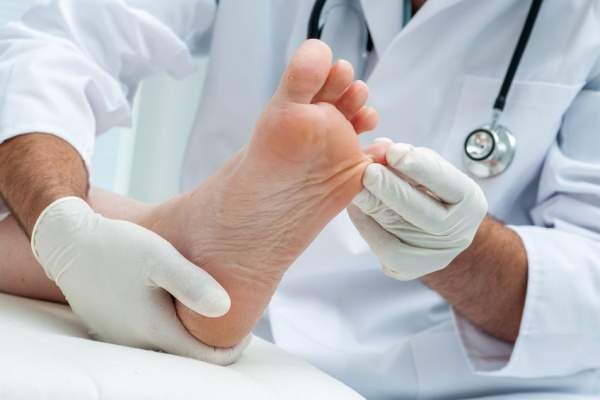
People with diabetes are always at risk of developing diabetic foot ulcers, infection, and further major complications. The infection may lead to higher risks of hospitalization, need for surgery, and amputation in worst cases. This is a clear indication that one must ensure wound care for diabetic foot ulcers along with prevention.
To prevent any kind of such complications, you must visit a good diabetic wound specialist for the treatment of a foot wound. Dr. Sima Soltani’s podiatric clinic in Irvine, Orange County, offers specialized treatment for any kind of foot problem. They perform the most sophisticated foot and ankle treatment and surgeries locally in their podiatry clinic in Irvine.
Consider making an appointment with their podiatry clinic in Irvine or any of their satellite offices in Tustin, Newport Beach, Laguna Hills, Santa Ana, Laguna Beach, Mission Viejo, Orange, and the entire Orange County, CA.
Prevent cuts and scrapes
For a diabetic person, a simple cut or scrape can easily get infected than someone who is not diabetic.
Moreover, there will be no feeling of pain if you have a cut or blister on your foot. If you do not get it treated by a good diabetic foot wound doctor, the sore can get infected leading to foot ulcers and serious wounds.
Therefore, one of the best ways to protect yourself is to prevent wounds.
- Ensure you never walk barefoot, even inside your home
- Always wear good fitting shoes and check for any stones inside the shoes
- Keep inspecting the bottom of your feet for any kind of cuts or wounds
- Avoid removing or treating calluses or warts yourself by trying commercial preparations.
If you have corns, calluses, warts, or foot ulcers get it treated with a good podiatrist diabetes specialist who will diagnose to check if the foot ulcer is infected and will then start antibiotic treatment. If the problem persists, proper wound care and in some cases, hospitalization might be needed.
Treating foot wounds
Getting a podiatrist wound care for any kind of foot cut before it gets infected is the best way to avoid any kind of complications.
- Clean the affected area with soap and water every day.
- Keep the area dry after washing and apply an antibiotic ointment
- Wrap the wound with a clean gauze dressing
- Don’t put pressure on the affected wounded area
- Avoid walking directly on the wound till it gets healed
- Don’t ignore any signs of infection, redness, or drainage.
- Go for treatment immediately if you find any such problem.
Preventing diabetic wounds
While diabetic foot ulcers are common for people with diabetes, they can also be avoided with certain precautions, prevention, and care.
- Eat a healthy diet to regulate your blood sugar levels.
- Get enough protein for repairing your skin and other damaged tissues.
- Exercise regularly for proper blood circulation and flow to your legs and feet.
- However, stay off your feet if you have a sore foot.
Keep a check for any kind of foot trauma, sores, cuts, bruises, ingrown toenails, blisters, or discoloration. Use a mirror or someone’s assistance if it is difficult for you to examine your foot.
 The Official Health blog