
Introduction
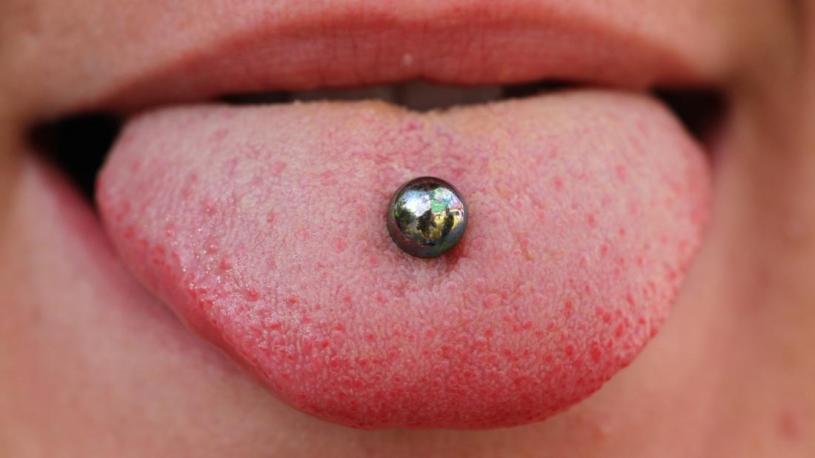
According to Iqaluit Dental Clinic, many people consider oral piercings such as lip piercings, tongue piercings, cheek piercings, and more as a way to express their individuality and personality. However, it is important that you understand the long-term implications of such practice on your teeth, gums, and your overall health before you go ahead with it.
The Risks
Here are a few risks of oral piercing:
- Unexpected damage – In many ways, oral piercings can not only change your appearance but can cause change at a structural level and cause unexpected damage to your health.
For instance, when you first get an oral piercing, you might develop a habit of constantly playing with it or hitting your teeth with it when you try to eat or talk. This can lead to scratches, sensitive teeth, injure your gums, and even lead to cracking or chipping of teeth over time. Plus, the jewelry itself can accumulate food particles and debris which can lead to tooth decay.
- Infections – Your mouth is an ideal environment where different types of bacteria can thrive. So, any minor cuts or injuries such as the one made during oral piercings can become infected if not treated and healed properly. A bacterial infection can come with many symptoms that can make chewing and swallowing food difficult for you. However, in extreme cases, it can lead to tongue swelling that can even restrict your breathing which can become life-threatening.
- Gum disease – Playing with oral piercings can also cause damage to the gums and even lead to gum diseases. When the gum tissue is damaged due to frequent contact with the piercing, it allows bacteria to invade inside it and cause gum infections which develop into gum diseases without proper care.
Gum diseases, if not treated promptly, can lead to chronic conditions such as bad breath, toothache, lead teeth loss, and even heart diseases. It has even been linked to certain types of cancer.
- Allergic reactions – Just like when getting a new tattoo, getting oral piercings can also lead to allergic reactions in your body. The metal in jewelry might not be suitable for your body and if you are susceptible to suffering from allergies, there is a high chance that getting oral piercings can cause allergies too. So, it is important to consult these details with your dentist before you try to get an oral piercing so that you don’t make a mistake.
- Nerve damage – Your mouth and face include a complex system of nerves. If the oral piercing hits any of the nerves, it can lead to temporary nerve damage that can cause numbness. It can also result in permanent nerve damage that can affect your sense of taste and speech.
Conclusion
Iqaluit Dental Clinic suggests you follow oral piercing safety practices if you intend to get an oral piercing. Ensure you choose a reputed shop with a proper license and ask any questions you might have to the piercer before getting started with the process.
 The Official Health blog