
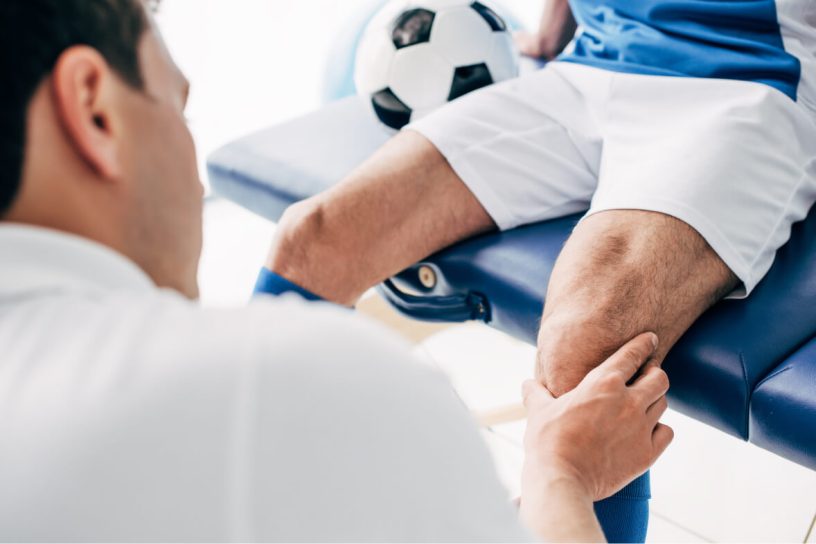
Sports medicine is the area of medicine that focuses on physical health, injury prevention, and treatment for sports- and exercise-related trauma. Sports medicine seeks to prevent future injuries, aid in injury recovery, and assist people in performing better in sporting endeavours. More about sports medicine will be discussed in this article.
What Is Sports Medicine?
Sports medicine is a subspecialty of medicine that focuses on illnesses and injuries that occur during sporting undertakings. Sports medicine can be described as an interdisciplinary approach that encompasses the prevention, diagnosis, and rehabilitation of injuries related to physical activity and provides sports injury rehabilitation.
Sports injury therapy is a speciality of sports medicine doctors. They are often referred to as “physiatrists” (physicians who specialise in physical medicine and rehabilitation) or “orthopaedic surgeons.” Sports medicine professionals work closely with professional athletes as well as weekend warriors who participate in recreational sports activities.
In addition to treating injuries, sports medicine specialists may focus on preventive care such as nutrition counselling, educating athletes about staying healthy, and preventing overuse injuries. Their expertise also helps them diagnose injuries more accurately than an average doctor.
Four Categories of Sports Medicine
The prevention, identification, and treatment of sports injuries are the focus of the medical field known as sports medicine. It also deals with the promotion of health and fitness through research. Sports medicine is often divided into four categories:
1. Clinical Sports Medicine
Clinical sports medicine deals with the diagnosis and treatment of sports injuries. It also deals with the sports injury rehabilitation of injured athletes. Physiatrists, physicians, and athletic trainers all practise this area of sports medicine. The primary focus is on the diagnosis and sports injury rehabilitation associated with athletics and exercise. Clinical sports medicine includes surgeons, orthopaedic specialists, neurologists, podiatrists, and physical therapists.
2. Community Sports Medicine
Community sports medicine deals with the health of the community in general. It includes programmes that promote physical activity, nutrition, and safety issues related to sports. This branch of sports medicine involves doctors, nutritionists, and fitness instructors. The avoidance of sports injuries is the focus of this area of sports medicine. It also encompasses medical specialists like personal trainers and teachers of physical education. This includes education and outreach to schools and educating parents on how to prevent injuries.
3. Preventive Sports Medicine
Preventive sports medicine is the branch of sports medicine that focuses on preventing injuries before they occur. This includes screenings to identify risk factors such as high blood pressure or diabetes and then working with patients in order to reduce those risks. This includes educating parents and coaches on how to prevent injuries as well as providing health care services such as physical therapy, sports injury rehabilitation, and nutrition counselling. Doctors, nutritionists, and fitness instructors can perform preventive sports medicine.
4. Experimental Sports Medicine
Experimental sports medicine is not only limited to athletes who participate in professional events but also to those who are just beginning their careers in sports. This is because even these athletes need to be monitored clearly so that their bodies can be kept healthy and they can compete with minimal risk of injury or suffering an illness during their training sessions or competitions and be provided with the right sports injury rehabilitation.
What Are the Common Sports Medicine Conditions?
When it comes to any sport, injury is inevitable. Sprains, strains, and fractures are all common sports injuries. They often happen when playing contact sports such as football or rugby or during running events like marathons. Injuries can also happen while playing noncontact sports like tennis and golf. Here are some common conditions that require sports medicine.
● Sports Injuries
Sports injuries can range from minor problems to major ones. Depending on how extensive it is, it could take the patient days or weeks to recover fully. These injuries could lead to permanent disabilities if left untreated with proper sports injury rehabilitation.
● Sports-related Illnesses
These include asthma, heat stroke, and dehydration, among others. Athletes who exercise in hot weather often develop these conditions due to insufficient intake of fluids or rest during exercise.
● Diseases Related to Skeletal Muscles
These include muscle cramps and strains, among others. Athletes who practise regularly may develop conditions such as overstraining their muscles by using them in ways they are not used to.
● Injury Avoidance
Before beginning an activity, training, and stretching are the greatest ways to prevent injury. Warming up is also vital to prevent any injuries along the way. Pay attention to how your body feels during exercise, so you know when to slow down or stop if you start feeling pain or discomfort.
In Summary
Sports medicine aims to help you resume your favourite activity as soon as feasible. And because there are so many sports injuries, it’s important to see a doctor who specialises in sports medicine if you’re injured so that you will be provided with sports injury rehabilitation that fits your current physical or mental situation. In addition, sports medicine focuses on preventing, identifying, and treating injuries sustained while participating in sports.
 The Official Health blog