
Introduction
Depression is a common mental health disorder that affects millions of people worldwide. It can have a profound impact on an individual’s daily life, relationships, and overall well-being. Recognising the symptoms of depression and understanding modern depression treatment options is crucial for those experiencing it and for their loved ones who want to offer support.
Symptoms of Depression
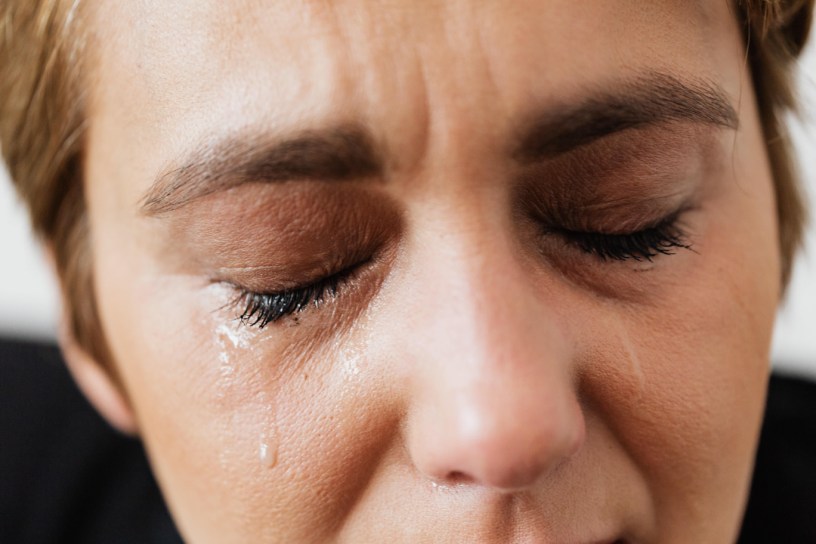
Persistent Sadness and Hopelessness: One of the hallmark symptoms of depression is a pervasive feeling of sadness and hopelessness. This emotional state often lasts for most of the day and persists for at least two weeks or longer.
Loss of Interest or Pleasure: People with depression often lose interest in activities they once enjoyed. Hobbies, socialising, and even spending time with loved ones may become burdensome.
Changes in Appetite and Weight: Depression can lead to significant changes in appetite. Some may experience an increase in appetite and weight gain, while others may lose interest in food, leading to weight loss.
Sleep Disturbances: Insomnia or hypersomnia (excessive sleep) are common in individuals with depression. Sleep patterns are disrupted, which can exacerbate other symptoms.
Fatigue and Low Energy: People with depression often feel persistently tired, even after a full night’s sleep. This can lead to a lack of motivation and difficulty in completing daily tasks.
Difficulty Concentrating and Making Decisions: Depression can impair cognitive function, making it hard to focus, remember details, and make decisions.
Feelings of Worthlessness or Guilt: Individuals with depression often experience feelings of worthlessness or excessive guilt, even over minor issues.
Physical Symptoms: Some individuals may experience physical symptoms such as headaches, digestive issues, or chronic pain that are linked to their depressive state.
Modern Treatment Options
Psychotherapy (Talk Therapy): Different forms of psychotherapy, such as Cognitive Behavioral Therapy (CBT), Dialectical Behavior Therapy (DBT), and Interpersonal Therapy (IPT), are highly effective in treating depression. These therapies aim to help individuals identify and change negative thought patterns, develop coping strategies, and improve interpersonal relationships.
Medication: Antidepressant medications can help regulate brain chemicals like serotonin and norepinephrine, which play a crucial role in mood regulation. There are several classes of antidepressants, including SSRIs (Selective Serotonin Reuptake Inhibitors) and SNRIs (Serotonin and Norepinephrine Reuptake Inhibitors).
Electroconvulsive Therapy (ECT): ECT is a safe and effective treatment for severe depression that hasn’t responded to other forms of therapy or medication. It involves administering a controlled electrical current to the brain, resulting in a brief seizure. This treatment can lead to significant improvements in mood.
Transcranial Magnetic Stimulation (TMS): TMS is a non-invasive procedure that uses magnetic fields to stimulate nerve cells in the brain. It’s typically used when other treatments have been ineffective.
Ketamine Therapy: Ketamine, traditionally used as an anesthetic, has shown promise in treating severe depression, especially in cases where other treatments have failed. It works quickly and can provide rapid relief of symptoms.
Lifestyle Changes: Incorporating regular exercise, a balanced diet, sufficient sleep, and stress-reducing techniques like mindfulness and meditation can complement other treatments for depression.
Support Groups and Peer Support: Sharing experiences with others who are going through similar struggles can be immensely beneficial. Support groups provide a safe space to discuss challenges and learn from one another.
Conclusion
Depression is a complex and often debilitating mental health condition, but it is treatable. In fact, thanks to modern treatment techniques, treating mental health conditions at home is now a reality in many cases. As always though, recognising the symptoms of the illness and seeking professional help is the first step towards recovery.
With a combination of psychotherapy, medication, and lifestyle adjustments, individuals can find relief from their symptoms and regain control of their lives. It’s important to remember that seeking help is a sign of strength, and there is hope for a brighter future.
 The Official Health blog