
In recent years, the United Kingdom has seen a significant increase in the number of individuals and companies investing in private health screen packages. This surge can be attributed to a growing awareness of preventive healthcare’s importance and a desire for immediate, comprehensive health assessments that the National Health Service (NHS) may not promptly provide due to high demand and resource constraints. Private health screening offers a proactive approach to managing health, allowing for the early detection of potential health issues and a tailored pathway to wellness.
What Do Private Health Screen Packages Include?
Private health screen packages that are offered at clinics and private hospitals such as One Hatfield Hospital can vary widely in their comprehensiveness, but they generally include a range of tests designed to assess key aspects of an individual’s health. Common components of these packages include:
Blood Tests: To check for conditions like diabetes, cholesterol levels, liver and kidney function, and certain deficiencies.
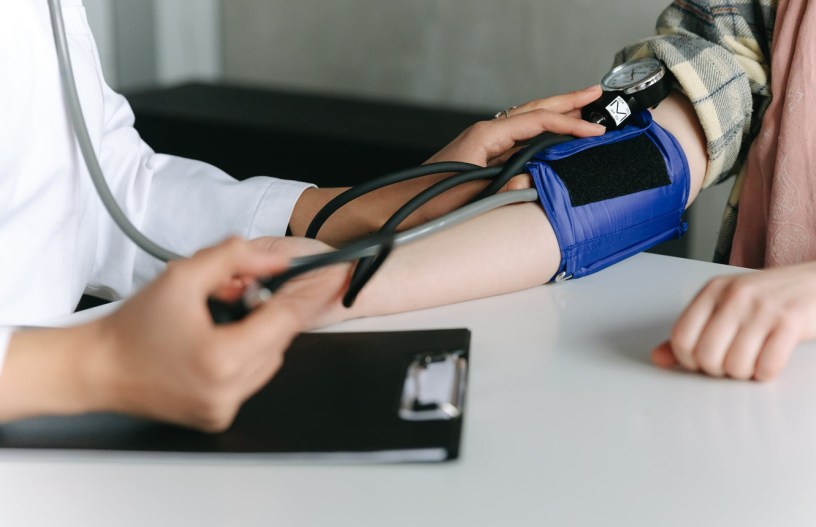
Cardiovascular Assessments: Including blood pressure measurements and ECGs to detect heart-related issues.
Cancer Screenings: Such as mammograms for breast cancer, PSA tests for prostate cancer, and screenings for cervical, ovarian, lung, and bowel cancers, depending on age, gender, and risk factors.
Bone Health: Assessments like DEXA scans for signs of osteoporosis, particularly in post-menopausal women and older adults.
Lifestyle Assessment: Including discussions on diet, exercise, smoking, and alcohol consumption to identify potential health risks.
Body Composition Analysis: Measurements of body fat, muscle mass, and BMI to provide a baseline for lifestyle changes.
Vision and Hearing Tests: To detect early signs of degeneration or issues requiring further intervention.
Common Conditions Detected by Health Screening
Private health screenings are adept at identifying a range of conditions, often before symptoms become apparent. Among these are:
Cardiovascular Diseases: Including hypertension and heart disease, which can be managed more effectively with early detection.
Diabetes: Early identification through blood sugar levels allows for lifestyle changes and medication to prevent complications.
Cancer: Early detection significantly improves treatment outcomes for many types of cancer.
Liver and Kidney Diseases: Identifying issues early can lead to interventions that prevent progression.
Osteoporosis: Early detection allows for dietary and lifestyle interventions to strengthen bone density.
Chronic Respiratory Diseases: Such as asthma or chronic obstructive pulmonary disease (COPD), where early management can improve quality of life.
Advantages of Early Detection
The benefits of detecting these conditions at an early stage cannot be overstated:
Improved Outcomes: Many health conditions are more easily treated or managed if caught early.
Reduced Healthcare Costs: Early intervention can prevent the need for more expensive treatments and hospitalisations.
Increased Lifespan: Early detection of serious health issues can lead to interventions that extend life expectancy.
Enhanced Quality of Life: Identifying and managing conditions before they lead to significant symptoms can maintain or improve one’s quality of life.
Informed Decisions: Comprehensive health screenings provide individuals with detailed information about their health, empowering them to make informed lifestyle and treatment decisions.
The rise in the adoption of private health screen packages in the UK reflects a broader shift towards preventive healthcare. By investing in these screenings, individuals and companies can significantly contribute to the early detection and management of health issues, thereby promoting a healthier, more productive society.
 The Official Health blog