
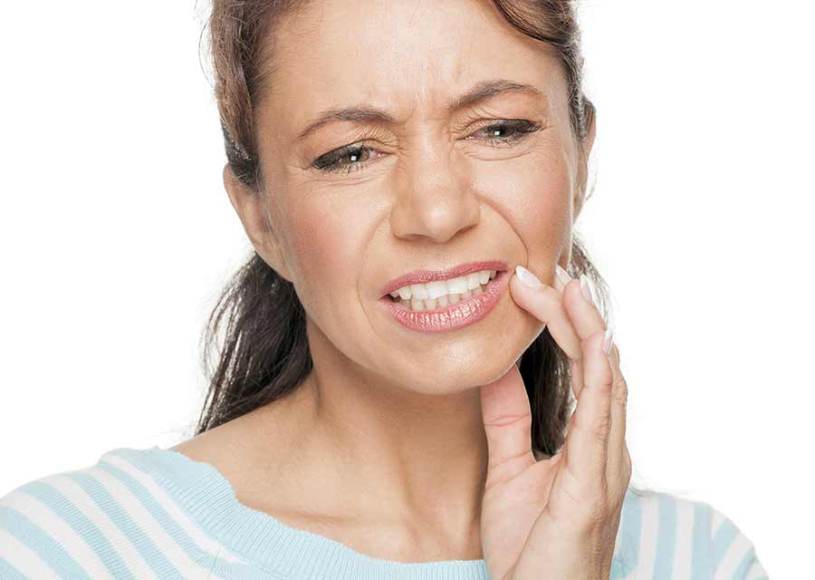
Pain is your body’s response to defense. Regardless of the seriousness, the sensory trigger acts as a warning sign that something is off—something that starts inside out. This also applies to dental pain. When your teeth are exposed to particular stimuli, they might cause discomfort, known as reactive nerve pain. If you have pain in the tooth in Parkland, FL, contact your dentist immediately and address the issue.
Common reasons for dental pain and how they are treated
- Sensitivity to temperature
Although the dental pain is just temporary, it usually means a little problem with the tooth itself. It might be:
- A minor area of tooth decay
- A loose filling
- Exposed root as a result of gum recession or abrasion
How to deal with it: The best course of action is to prevent bacterial plaque buildup on your teeth and gum line. To achieve this, brush your teeth lightly, no more than two times a day, using a toothbrush with soft bristles. Fluoride-containing toothpaste is an excellent choice for sensitive teeth. Apply the toothpaste to your teeth like an ointment and keep it on for ten minutes or longer, according to your requirements.
- Sensitivity after dental treatment
Dental pain could originate from dental procedures. How? Depending on the problem, treating it could result in internal tooth irritation.
How to deal with it: Thankfully, the pain you feel is only temporary—it will subside in a few days or weeks. It can take a week or two for the crown work and decay clearance to settle. To ease your pain in the meantime, you can use over-the-counter painkillers.
- Sharp pain while chewing
One of the following problems could be the reason:
- Decay
- Loose filling
- Tooth crack
How to deal with it: While a dentist can replace a loose filling, a specialist is needed to address the other reasons for tooth pain when chewing. They can fill any gaps or cracks in the tooth, remove signs of disease, and protect the root canal.
- Persistent pain after a meal.
Keep your eye out for this symptom since it could mean that you have a tooth disease. Your tooth might eventually die from the inside out if dental decay or harm is not treated.
How to deal with it: Before the pain gets worse, this needs to be prevented. Bacteria buildup can result in a potentially deadly abscess. The tooth can be preserved by having a root canal to eliminate the dead and dying pulp.
Make sure you speak to a dentist to analyze the cause of your dental pain.
 The Official Health blog