
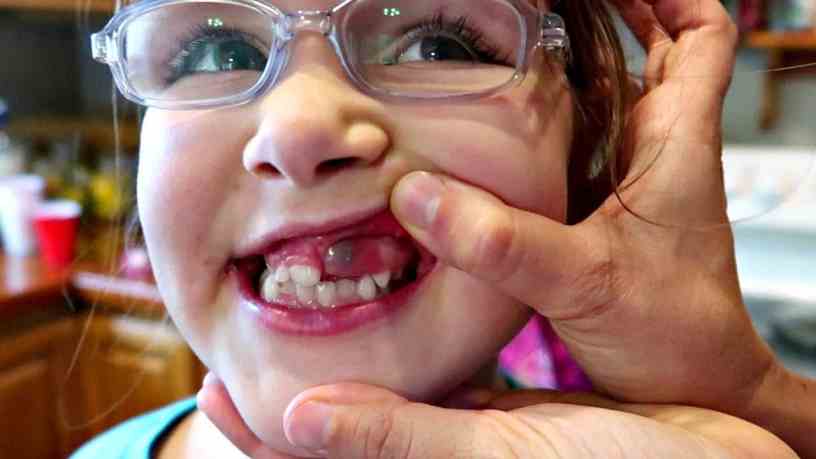
Tooth development and eruption have always been a complex phenomenon that starts with multiple genetic manifests combined with environmental interplay, explains family dental care in Summit, IL. With a better understanding of the genetic factors influencing them, it is possible to anticipate dental problems associated with them and develop appropriate treatment plans for managing these. In this blog post, read further to find out the complex relationship between your oral genetics and how teeth develop
Factors Affecting Tooth Eruption (Genetic)
Tooth eruption is the movement of teeth from their developmental position within the jaws to their final functional location in the mouth Even this process is tightly controlled by genetic mechanisms:
Timing of eruption: PTHR1 (Parathyroid hormone receptor 1) and MSX1 are some of the genes affecting tooth eruption time. Mutations in such genes can cause delayed as well as accelerated tooth eruption.
Position of teeth: The position or alignment of the tooth is inherited and depends on genetic factors. Take the gene RUNX2, for instance — it helps develop bones and cartilage that in turn support teeth, which means it can affect how straight your pearly whites are.
Hereditary Dental Conditions: Tooth development and eruption are demonstrated in several hereditary conditions that show the involvement of genetics
- Hypodontia and Oligodontia: Hypodontia is known as the absence of one or more teeth happens in almost 20% of the population. Whereas, oligodontia is the absence of a tooth.
- Amelogenesis imperfecta: This genetic disorder impacts how enamel forms and results in fragile, poorly colored teeth.
- Dentinogenesis Imperfecta: This condition affects the development of the dentin and results in discolored or translucent, easily broken teeth
Due to the advancement of genetic research and technology these days, it is possible to detect a mutation in a person’s gene that causes particular dental conditions. Genetic counseling could be beneficial to families with early-onset or hereditary dental conditions to understand the possibility and risks of passing on genetic changes to their children.
Genetics has a lot to do with how our teeth develop and grow—all kinds of factors can affect the way they form, when they appear, and how neatly and healthily aligned they are. The further along we go in genetic research, the more likely it is that the pediatric dentistry of the future will be determined by taking a cue from our specific genetic code.
 The Official Health blog