
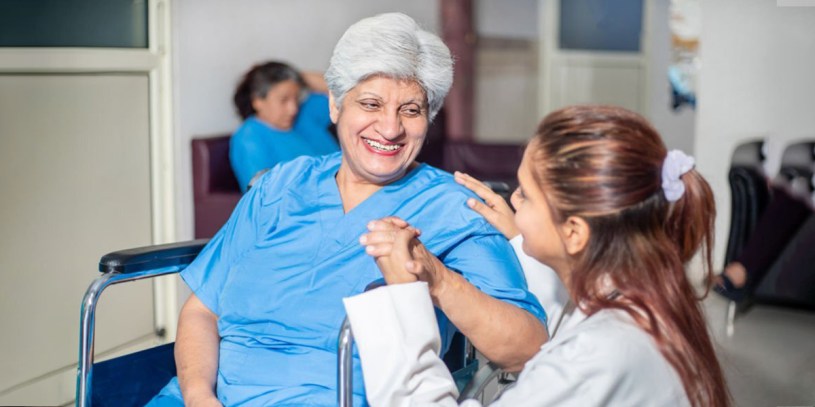
Transitioning from a hospital stay back to the comfort of home can be both a relief and a challenge for patients and their caregivers. While leaving the hospital signifies progress in the healing journey, it also brings about new responsibilities and adjustments. To ensure a smooth transition and promote recovery, it’s essential for caregivers and patients to be well-prepared and informed. Here are some valuable tips to navigate this transition effectively.
Understanding the Transition Process
- Communicate with Healthcare Providers: Before discharge, make sure to discuss the care plan with the healthcare team thoroughly. Understand the medications, treatments, and follow-up appointments required for continued recovery at home.
- Clarify Instructions: Seek clarification on any instructions or restrictions provided by the medical team. Make a list of questions to ask to ensure clarity on post-discharge care.
- Arrange Follow-Up Care: Schedule follow-up appointments with primary care physicians or specialists as recommended. These appointments are crucial for monitoring progress and addressing any concerns or complications.
Also, read more WWE SmackDown Episode 1491
Preparing the Home Environment
- Create a Safe Space: Assess the home environment for any potential hazards or obstacles that may impede mobility or safety. Remove clutter, secure rugs, and install grab bars or handrails if necessary.
- Organize Medications: Set up a system for organizing and managing medications to ensure compliance with prescribed dosages and schedules. Consider using pill organizers or medication reminder apps for assistance.
- Arrange for Assistance: If needed, arrange for home healthcare services or enlist the help of family members or caregivers to provide support during the recovery period.
Supporting the Patient’s Well-Being
- Encourage Rest and Recovery: Emphasize the importance of rest and relaxation during the initial days following discharge. Encourage the patient to pace themselves and avoid overexertion.
- Promote Healthy Habits: Encourage a nutritious diet, adequate hydration, and regular physical activity as appropriate for the patient’s condition. Address any dietary restrictions or special considerations provided by healthcare providers.
- Monitor Symptoms: Stay vigilant for any signs of complications or worsening symptoms and promptly report them to healthcare providers. Keep a record of vital signs, medications, and any changes in the patient’s condition.
Addressing Emotional Needs
- Offer Emotional Support: Transitioning from hospital to home can be emotionally challenging for patients and caregivers alike. Offer empathy, reassurance, and encouragement during this adjustment period.
- Seek Counseling or Support Groups: Consider accessing counseling services or joining support groups for patients and caregivers dealing with similar health conditions or transitions. Sharing experiences and coping strategies can provide valuable emotional support.
- Stay Connected: Maintain open lines of communication with healthcare providers, family members, and friends. Share concerns, updates, and milestones in the recovery process to foster a supportive network.
Also, read more Luther Social Media Maven Keezy.co
Utilizing Chronic Care Management Resources
For patients managing chronic health conditions, accessing comprehensive support and resources is essential for long-term wellness. Chronic care management programs offer personalized care plans, remote monitoring, and care coordination services to optimize health outcomes and enhance quality of life.
Conclusion
Navigating the transition from hospital to home requires careful planning, communication, and support from both caregivers and patients. By understanding the transition process, preparing the home environment, supporting the patient’s well-being, addressing emotional needs, and leveraging available resources such as chronic care management programs, caregivers and patients can promote a successful recovery journey. With proactive involvement and collaboration, the transition can be a positive step towards improved health and well-being.
 The Official Health blog