
Introduction:
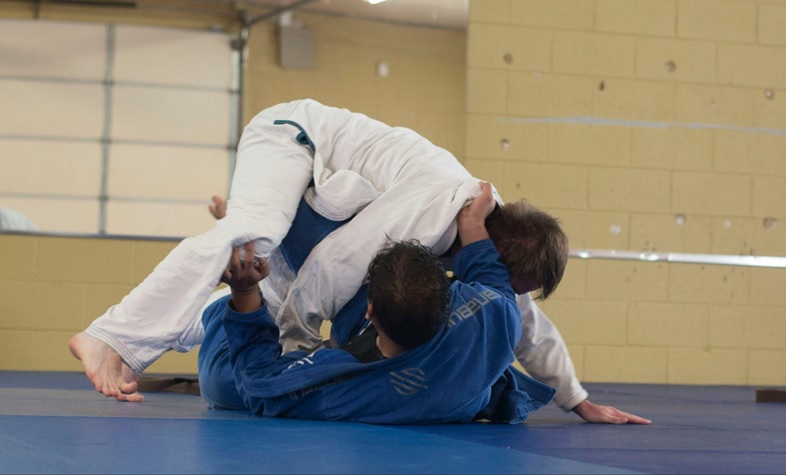
Martial arts have been practiced for centuries across various cultures. From the discipline of Kung Fu in China to the fluidity of Brazilian Jiu-Jitsu, martial arts offer more than just self-defense techniques. They provide a holistic approach to improving both mental and physical health. Whether you’re a seasoned practitioner or someone curious about starting, here are ten health benefits of practicing martial arts.
Whether you’re training locally or looking for the best martial arts Tampa has to offer, these benefits apply to practitioners of all levels and ages.
1. Improves Cardiovascular Health
One of the most significant physical benefits of martial arts is the boost it provides to cardiovascular health. Martial arts training involves intense, full-body workouts that get your heart pumping, whether through sparring, kicking, or grappling. This cardio workout strengthens your heart, improves circulation, and helps lower blood pressure.
How It Works: Most martial arts forms incorporate intervals of high-intensity movement followed by periods of rest, a form of high-intensity interval training (HIIT). This structure keeps the heart rate elevated and conditions the heart to work more efficiently, reducing the risk of heart disease.
2. Builds Strength and Muscle Tone
Martial arts require and develop muscle strength through repetitive, dynamic movements such as kicks, punches, and holds. Over time, you will notice enhanced muscle tone and increased strength throughout your body, particularly in your core, arms, and legs.
Martial Arts That Focus on Strength: Disciplines like Muay Thai, Judo, and Brazilian Jiu-Jitsu place a strong emphasis on bodyweight training and resistance, developing strength, endurance, and lean muscle mass.
3. Enhances Flexibility and Balance

Flexibility and balance are crucial in martial arts. Whether it’s maintaining your balance while executing a high kick in Taekwondo or smoothly transitioning between movements in Capoeira, martial arts continually challenges and improves your body’s ability to move freely.
Benefits of Flexibility: Increased flexibility helps reduce the risk of injury, improves posture, and promotes better movement in day-to-day activities. It also helps in relieving muscle tension, which can reduce pain and soreness after workouts.
4. Promotes Weight Loss and Fat Reduction
Many martial arts are high-energy activities that burn calories fast. Depending on the discipline and intensity of training, you can burn anywhere between 500 to 1,000 calories per session. For those looking to lose weight, martial arts offer a fun and effective way to shed unwanted fat.
Burning Calories Through Movement: Training typically involves fast-paced drills, full-body engagement, and quick reflexive actions that engage multiple muscle groups simultaneously, leading to significant calorie expenditure. The more intense the practice, the more fat you’ll burn, leading to better weight management over time.
5. Improves Mental Health and Reduces Stress
Martial arts not only benefit your physical health but also have a profound impact on mental well-being. The focus and mindfulness required during practice can help reduce stress and anxiety levels. Martial arts offer a form of moving meditation, where you can disconnect from the outside world and concentrate solely on the task at hand.
Mental Clarity and Focus: The structured training helps improve mental clarity and focus, which can help you stay calm and composed in other areas of life. Many martial artists report feeling a sense of accomplishment and peace after training, which can reduce symptoms of depression and anxiety.
6. Boosts Self-Confidence and Self-Esteem

Mastering martial arts techniques can be an empowering experience. As you progress through different skill levels and belts, you’ll gain a greater sense of achievement and self-worth. Martial arts training provides a unique blend of physical and mental challenges that help build confidence.
Overcoming Challenges: The process of learning and improving over time helps foster a growth mindset. It teaches that setbacks are part of progress and that resilience and perseverance lead to success, enhancing your overall confidence in both martial arts and everyday situations.
7. Teaches Discipline and Patience
One of the core tenets of martial arts is discipline. Whether it’s showing up consistently for training, practicing difficult moves until they’re perfected, or adhering to the values taught by your instructor, martial arts instills a deep sense of discipline in its practitioners.
Discipline Beyond the Dojo: This discipline translates into other areas of life, such as work or personal goals, making you more patient, focused, and determined. Martial arts teach that instant results are rare, and it’s the consistent, long-term effort that yields the greatest rewards.
8. Improves Reflexes and Reaction Time
In martial arts, quick reflexes are essential, especially in disciplines like boxing, karate, and Brazilian Jiu-Jitsu, where reacting to your opponent’s movements is crucial. Over time, training improves your reaction speed, allowing you to respond faster in both combat situations and everyday activities like driving or playing sports.
Why Reflexes Matter: Having faster reflexes not only helps in physical confrontations but also improves coordination and timing in non-combative situations. You’ll be more agile and able to react swiftly to sudden changes or potential dangers.
9. Increases Coordination and Body Awareness
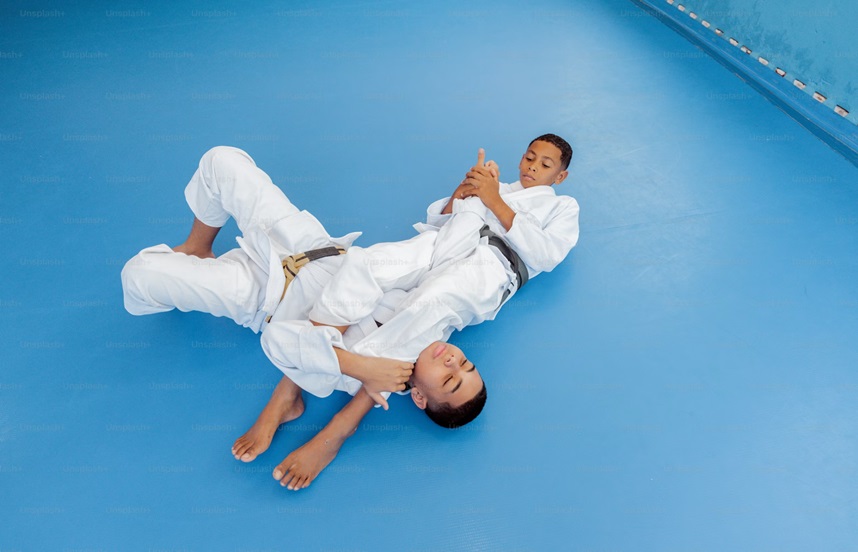
Martial arts teach you how to move your body with precision and control. Whether you’re performing a complex sequence of moves in Kung Fu or defending against an opponent in Jiu-Jitsu, martial arts requires a high degree of coordination and body awareness.
Body Control: Over time, this enhanced coordination makes your movements more fluid and efficient, improving your motor skills and overall athletic performance. It also promotes better spatial awareness, which can enhance your ability to navigate various environments and tasks.
10. Fosters a Stronger Mind-Body Connection
Finally, martial arts help create a deep mind-body connection, encouraging you to stay present in the moment. Each movement in martial arts requires you to be mentally aware of your body’s positioning, weight distribution, and movement, strengthening the link between your mental and physical states.
Mindfulness in Martial Arts: By practicing mindfulness and focusing on breathing, balance, and posture, martial arts can also improve your emotional well-being. This connection can help reduce the impact of stress on the body and improve your overall quality of life.
Conclusion:
Practicing martial arts is much more than learning self-defense or perfecting your striking techniques. It’s a holistic workout for both the mind and body, improving cardiovascular health, building strength, enhancing flexibility, and fostering mental resilience. The discipline required also promotes personal growth, teaching patience, mindfulness, and self-confidence.
Whether you’re looking to get fit, relieve stress, or improve mental clarity, martial arts offers a versatile and effective way to enhance your overall health and well-being.
 The Official Health blog