
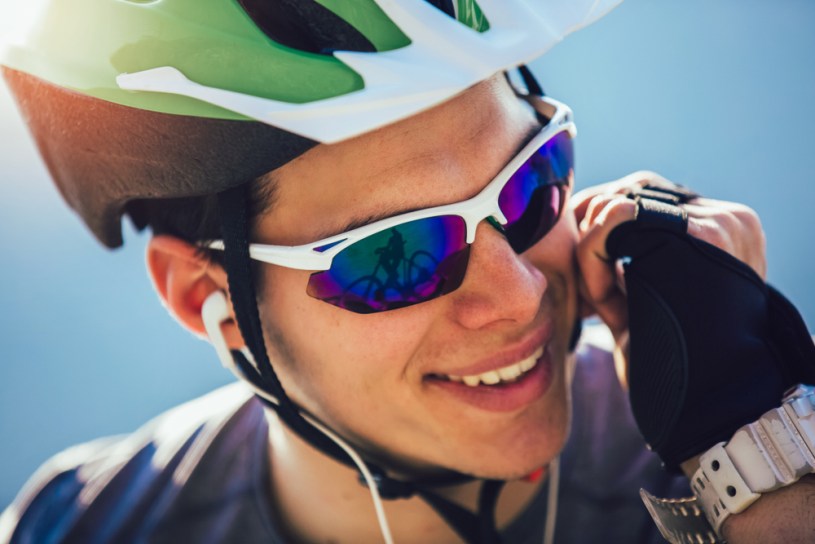
If you’re serious about your sport – whether you’re pounding the pavement on a run, carving up trails on your bike, or navigating the open water – you’ve probably noticed that many dedicated athletes aren’t just rocking any old pair of shades. They’re often sporting highly specialized eyewear, a bit like a secret weapon for their eyes. But is it just about looking pro, or is there a genuine athletic edge to be gained from sport-specific sunglasses? Trust me, it’s far more than just aesthetics; it’s about performance, protection, and frankly, staying safe.
Let’s start with the basics: protection. When you’re moving fast outdoors, your eyes are vulnerable. We’re talking about wind, dust, grit, flying insects, stray branches, or even mud kicked up by tires. Regular fashion sunglasses might offer some front-on protection, but dedicated sport sunglasses often feature a wrap-around design that shields your eyes from all angles. This isn’t just about comfort; it’s crucial for preventing debris from sneaking in from the sides, and it offers superior UV protection, blocking rays that might otherwise hit your eyes at oblique angles. Imagine a cyclist descending at speed, or a runner on a windy trail – you don’t want anything obstructing your vision or irritating your eyes.
Beyond physical barriers, there’s the science of lenses. This is where sport-specific eyewear truly differentiates itself. It’s not just about making things darker. It’s about optimizing what you see for specific conditions:
- Impact Resistance: This is non-negotiable. Forget glass lenses; sport sunglasses almost universally use shatterproof materials like polycarbonate or Trivex. If you take a tumble, or a stray ball hits you, these lenses won’t splinter into your eye. They’re designed to absorb impact, keeping your vision and your eyes safe.
- UV Protection: Again, a baseline for all sunglasses. But for athletes spending hours outdoors, 100% UVA/UVB protection (UV400) is paramount to prevent long-term damage like cataracts and macular degeneration, as well as short-term discomfort like photokeratitis (eye sunburn).
- Glare Reduction (Polarization): If you’re a cyclist dealing with reflections off wet roads, a runner on tarmac, or anyone near water or snow, polarized lenses are a game-changer. They have a special filter that blocks horizontal light waves, effectively cutting down harsh glare that can cause eye strain and obscure obstacles. However, a quick note: some mountain bikers or skiers avoid polarization because it can make it harder to spot icy patches or subtle terrain changes by smoothing out reflections. It depends on your specific sport and environment.
- Contrast Enhancement and Tinting: This is where the real magic happens for performance. Different lens tints are designed to enhance specific colors and contrasts, making it easier to spot details crucial to your sport:
- Brown/Amber/Rose: Often favored by trail runners and mountain bikers, these tints boost contrast and depth perception, making bumps, roots, and uneven terrain stand out, especially in variable light or shaded areas.
- Grey/Green: Good for general use in bright conditions, reducing overall brightness without significantly distorting colors. Ideal for sports like golf or road cycling in consistent sunlight.
- Yellow/Orange: Excellent for low-light or overcast conditions, as they filter blue light and brighten the field of vision, enhancing clarity. Great for cycling in tunnels or running at dusk.
- Mirror Coatings: A reflective coating on the outside of the lens that bounces back even more light, ideal for very bright conditions (like snow or strong sun) and adding a stylish element.
Then there are the advanced technologies:
- Photochromic (Transitions) Lenses: These ingenious lenses automatically adjust their tint based on UV exposure, darkening in bright light and lightening in dimmer conditions. Perfect for mountain bikers ducking in and out of shaded woods, or runners who start before sunrise and finish in full sun. No need to carry multiple pairs!
- Anti-Fogging Features: When you’re sweating profusely, regular glasses fog up instantly. Sport sunglasses often incorporate vents in the frame or lens, and anti-fog coatings to ensure clear vision, even during intense exertion or in humid conditions.
- Hydrophobic/Oleophobic Coatings: These repel water, sweat, and oils, meaning fewer smudges and clearer vision, even in the rain or when you’re dripping with sweat.
Finally, fit and comfort are paramount. A wobbly, slipping, or pinching pair of sunglasses is a distraction you don’t need during a race or intense workout. Sport frames are typically:
- Lightweight: Made from durable, flexible materials like nylon or TR90, so you barely feel them on your face.
- Secure: Feature rubberized nose pads and temple tips (often hydrophilic, meaning they grip better when wet with sweat!) to prevent slippage during dynamic movement. Many are adjustable for a custom fit.
- Durable: Built to withstand drops, impacts, and the general rigors of an active lifestyle.
So, while your everyday shades are perfect for brunch on the patio, they’re not cut out for the demands of athletic pursuits. Sport-specific sunglasses aren’t just an accessory; they’re vital performance gear. They enhance your vision, protect your eyes from hazards and harmful UV rays, and ensure you can stay focused on the task at hand, giving you that crucial athletic edge. Investing in the right pair means seeing clearly, performing better, and ultimately, enjoying your sport more safely.
 The Official Health blog