
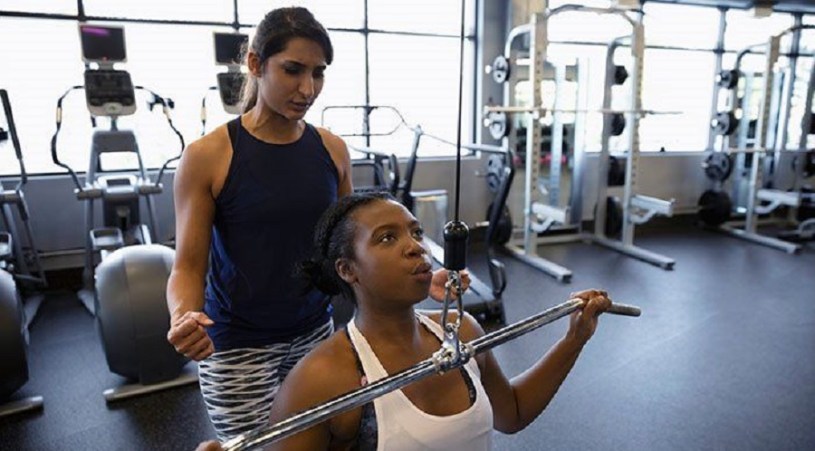
Singapore has become a hub for endurance athletes, from casual runners to triathlon enthusiasts. The challenge, however, is balancing race-season training with strength work. Many athletes mistakenly believe that gym sessions will slow their runs or add bulk, but the right guidance from a personal gym trainer Singapore can make all the difference. Trainers understand how to integrate strength into an athlete’s calendar without compromising mileage, ensuring peak performance when it matters most.
For athletes who prefer structured environments, TFX Singapore provides access to climate-controlled facilities and specialised equipment, making it easier to maintain strength training even in Singapore’s humid climate.
Why Endurance Athletes Need Strength Training
Strength training complements running and triathlon work in critical ways. It:
-
Improves running economy by enhancing stride efficiency
-
Protects joints and tendons from repetitive strain
-
Increases power output for sprints, climbs, and finishes
-
Supports posture during long races by strengthening the core
Without resistance work, athletes risk plateauing, overuse injuries, and weaker performance under fatigue.
Off-Season vs In-Season Programming
A trainer structures training phases based on the race calendar.
-
Off-season: Focus on building maximum strength with heavier lifts, mobility, and corrective exercises
-
Pre-season: Transition to power work, incorporating plyometrics and lighter, faster lifts
-
In-season: Maintain strength with lower volume but targeted sessions that avoid excessive fatigue
This periodisation ensures that strength sessions enhance, rather than compete with, endurance training.
Hip And Ankle Strength For Efficient Stride
Strong hips and ankles improve stride length, cadence, and injury resistance. Trainers often prescribe:
-
Single-leg deadlifts for balance and hamstring strength
-
Hip thrusts for glute power
-
Calf raises and loaded step-ups for ankle resilience
-
Band-resisted lateral walks for hip stability
These moves translate directly to smoother, faster, and safer runs.
Brick-Friendly Strength Sessions
For triathletes, bricks (bike-to-run sessions) are key. Trainers design gym workouts that complement these high-demand training blocks. Examples include:
-
Quick 30-minute lower-body sessions on non-brick days
-
Core and shoulder stability work to balance swim demands
-
Short post-ride bodyweight circuits that enhance recovery
By carefully timing gym sessions, trainers prevent overlap that could derail endurance performance.
Heat Acclimation And Climate-Specific Adjustments
Singapore’s climate presents unique demands. Trainers teach endurance athletes to:
-
Hydrate strategically before and after gym sessions
-
Train with airflow management in gyms to simulate race conditions
-
Use cooling strategies like ice towels before long runs
-
Adjust strength intensity on days following humid outdoor sessions
This climate-smart approach ensures that athletes adapt safely without overtraining.
Fuel And Fluid Strategies Around Gym Work
Nutrition is tightly linked with performance. Trainers help athletes structure meals such as:
-
Pre-strength session: Moderate carbs with protein, like oats with milk
-
Post-session: Lean protein and balanced carbs to replenish glycogen
-
During race weeks: Adjust macros to prioritise fuel for endurance while maintaining recovery
Even small tweaks in fuelling can influence performance on race day.
Injury Prehab For Shins, Knees, And Lower Back
Overuse injuries are common among runners. Trainers build prehabilitation into strength sessions with:
-
Tibialis raises and shin conditioning
-
Hamstring curls to protect the knees
-
Core stability drills for lumbar protection
-
Mobility routines for hip flexors and ankles
These measures not only prevent injuries but also improve biomechanics over time.
FAQ
Q. Will strength training slow me down as a runner?
Ans. No. If programmed correctly, it enhances efficiency and endurance. Trainers design sessions that support running performance instead of adding unnecessary bulk.
Q. How close to a race should I stop lifting?
Ans. Trainers usually schedule the last heavy session seven to ten days before a race, with lighter maintenance sessions in the final week.
Q. How often should endurance athletes do strength work?
Ans. Two to three times per week in the off-season, tapering down to one or two short sessions during peak race weeks.
Q. Can I train strength and endurance on the same day?
Ans. Yes, but order matters. Strength first, then endurance, unless preparing for a specific brick session. Trainers adjust sequencing based on goals.
Q. Do I need gym machines, or can I just use free weights?
Ans. Free weights and bodyweight exercises are often more effective for runners, as they build balance and functional strength. Trainers adapt equipment choices to your environment.
Q. How does Singapore’s heat affect my strength training plan?
Ans. It requires more careful hydration, cooling strategies, and flexible scheduling. Trainers ensure that strength sessions do not overload the body when combined with outdoor endurance work.
 The Official Health blog