
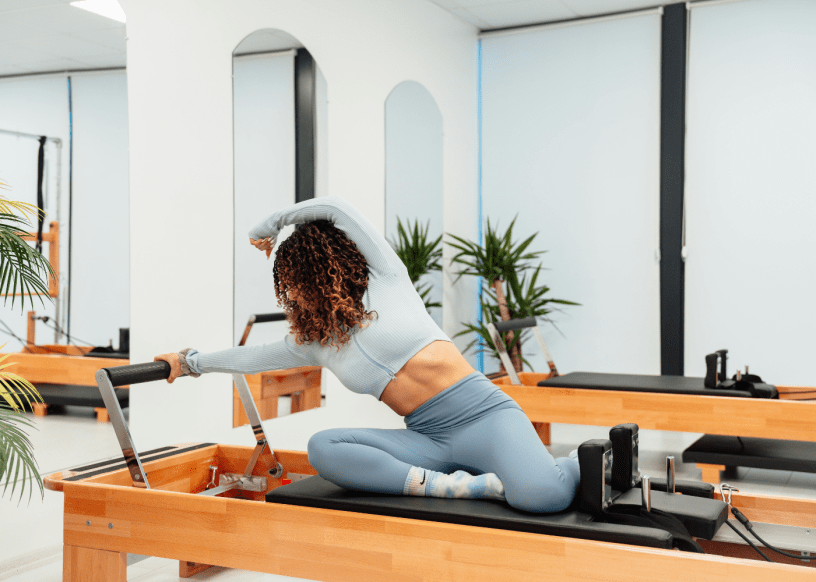
As adults move through their thirties, forties, and fifties, the body begins to change in subtle but important ways. Joints may feel stiffer in the morning, recovery takes longer, and movements that once felt effortless now require more awareness. In Singapore’s fast-paced environment, these changes are often accelerated by long hours of sitting, limited recovery time, and reduced daily movement. This is why pilates singapore has become a preferred long-term movement practice for individuals who want to protect their joints, maintain mobility, and stay active without placing excessive strain on the body.
Rather than focusing on intensity or performance, Pilates prioritises movement quality. This makes it especially relevant for adults who want to continue moving well as they age, without aggravating joints or relying on high-impact exercise.
How Joint Health Changes With Age
Joint health is influenced by multiple factors including muscle strength, connective tissue elasticity, circulation, and movement patterns. As the body ages, cartilage naturally becomes less hydrated, muscle mass gradually declines, and joints may lose some of their natural range of motion.
Common joint-related concerns after 30 include:
-
Knee discomfort during stairs or prolonged walking
-
Hip stiffness after long periods of sitting
-
Shoulder tightness that limits overhead movement
-
Reduced spinal flexibility
These changes are not signs that movement should stop. Instead, they signal the need for smarter, more intentional movement.
Why High-Impact Exercise Is Not Always the Answer
Many adults attempt to counter ageing by increasing workout intensity. While this may feel productive initially, repetitive high-impact training can place unnecessary stress on joints that are already adapting to age-related changes.
High-impact routines may:
-
Increase joint compression
-
Aggravate existing wear and tear
-
Lead to longer recovery times
-
Increase risk of overuse injuries
Pilates offers an alternative that strengthens joints through controlled resistance and alignment, rather than impact.
How Pilates Supports Joint Longevity
Pilates strengthens the muscles that surround and support the joints. Instead of isolating one muscle group, it encourages coordinated movement patterns that distribute load evenly across the body.
Key benefits for joint health include:
-
Improved joint stability through balanced muscle engagement
-
Increased range of motion without forcing flexibility
-
Reduced joint strain during daily activities
-
Better alignment that protects cartilage and ligaments
By training the body to move efficiently, Pilates reduces unnecessary stress on joints during both exercise and everyday movement.
Knee Health and Lower Body Stability
Knee discomfort is common as adults age, often due to weak surrounding muscles or poor movement mechanics rather than damage within the joint itself.
Pilates supports knee health by:
-
Strengthening the quadriceps and hamstrings evenly
-
Improving hip and ankle mobility to reduce knee load
-
Enhancing balance and coordination
As movement patterns improve, everyday actions such as climbing stairs, standing up, and walking become smoother and less stressful on the knees.
Hip Mobility and Pelvic Stability
The hips play a central role in movement. When hip mobility decreases, the lower back and knees often compensate, leading to discomfort.
Pilates restores hip function by:
-
Encouraging controlled movement through full ranges
-
Strengthening deep stabilising muscles around the pelvis
-
Reducing tension caused by prolonged sitting
Improved hip mobility often leads to noticeable improvements in posture, gait, and overall comfort.
Shoulder Health and Upper Body Freedom
Shoulder stiffness is frequently linked to long hours at desks and reduced overhead movement. Over time, this can limit functional strength and increase injury risk.
Pilates enhances shoulder health through:
-
Strengthening the upper back and rotator cuff muscles
-
Promoting proper scapular movement
-
Reducing neck and shoulder tension
This balanced approach supports daily tasks such as lifting, reaching, and carrying without strain.
Spinal Mobility and Core Support
The spine is designed to move in multiple directions, yet modern lifestyles often limit it to one position for most of the day. Reduced spinal mobility contributes to stiffness and discomfort over time.
Pilates supports spinal health by:
-
Encouraging gentle flexion, extension, and rotation
-
Strengthening deep core muscles that support the spine
-
Improving posture through awareness and control
A mobile, supported spine reduces pressure on surrounding joints and enhances overall movement quality.
The Role of Controlled Resistance in Ageing Bodies
Pilates uses body weight, springs, and controlled resistance to build strength without excessive load. This is particularly beneficial for ageing joints, which respond better to consistent, moderate resistance than sudden force.
Benefits of controlled resistance include:
-
Improved bone density support
-
Reduced risk of joint inflammation
-
Enhanced muscle coordination
This approach allows individuals to build strength safely over time.
Maintaining Balance and Fall Prevention
Balance often declines gradually with age, increasing the risk of falls. Pilates incorporates exercises that challenge stability in a controlled environment.
Through Pilates, practitioners develop:
-
Better proprioception, or body awareness
-
Stronger stabilising muscles
-
Improved confidence in movement
These benefits extend beyond the studio into daily life, supporting long-term independence.
Sustainable Movement for Lifelong Activity
One of the greatest advantages of Pilates is its sustainability. It adapts to the body rather than demanding that the body adapt to it.
Pilates supports lifelong movement by:
-
Allowing modifications based on individual needs
-
Encouraging consistency over intensity
-
Reducing injury-related setbacks
This makes it suitable for adults who want to stay active well into later years.
The Importance of a Thoughtful Practice Environment
Joint health benefits most from proper instruction and mindful progression. A supportive studio environment ensures that movements are executed safely and adjusted as needed. This is where Yoga Edition provides an approach that values movement quality, joint protection, and long-term wellbeing rather than short-term performance.
A well-guided practice encourages trust in movement, which is essential for consistency.
Applying Pilates Principles to Daily Life
Pilates does not stop at the end of a class. As awareness increases, individuals naturally begin moving differently throughout the day.
This often includes:
-
Standing up with better alignment
-
Walking with improved posture
-
Lifting objects more efficiently
These everyday changes help protect joints and reinforce the benefits of regular practice.
Real-Life FAQ
Q: Is Pilates suitable for people over 40 who experience joint stiffness?
A: Yes. Pilates focuses on controlled movement and joint support, making it particularly suitable for managing stiffness while improving mobility safely.
Q: Can Pilates help prevent joint problems later in life?
A: Regular Pilates practice supports muscle balance, alignment, and movement awareness, all of which contribute to long-term joint health.
Q: How does Pilates differ from stretching for joint mobility?
A: Pilates combines strength and mobility. Instead of stretching joints passively, it builds active control around them for more sustainable results.
Q: Is Pilates safe if I already have mild joint discomfort?
A: Pilates can be adapted to individual comfort levels and often helps reduce discomfort by improving movement patterns and muscular support.
Q: How often should older adults practise Pilates for joint health?
A: Two to three consistent sessions per week are generally effective for maintaining joint strength, mobility, and confidence in movement.
 The Official Health blog