
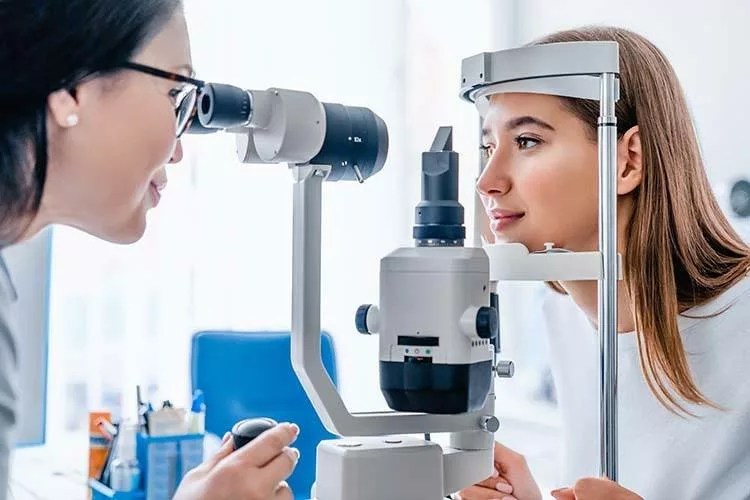
Optometry’s history is linked to technological advancement. From its very origins, the profession has been driven by a relentless pursuit of innovation, constantly seeking new and better ways to enhance vision and improve eye health. This deep-rooted connection to technology is not merely a recent phenomenon but woven into the fabric of optometry’s evolution.
Over the past 30 years, technology has reshaped the landscape of optometry. Where once a simple eye chart and retinoscope were the primary tools of the trade, today’s optometrists utilize a vast array of advanced instruments to diagnose and manage eye conditions.
The demand for eye care services is skyrocketing with an aging population and a growing prevalence of age-related eye diseases. According to the U.S. Census Bureau, more than 10,000 Americans turn 65 daily, and this demographic shift strains the healthcare system.
Furthermore, there is a concerning shortage of ophthalmologists, particularly in rural and underserved areas. In the face of these challenges, optometrists are stepping up to provide essential eye care services, and technology is enabling them to meet the growing needs of their patients.
Several key technologies are revolutionizing the way optometrists provide patient care:
Optical Coherence Tomography (OCT): OCT has become an indispensable tool in optometric practice, providing high-resolution, cross-sectional images of the retina and other ocular structures. This technology allows for the early detection of eye diseases like age-related macular degeneration and diabetic retinopathy, often before noticeable vision changes occur.
Artificial Intelligence (AI): AI rapidly changes the healthcare landscape, and optometry is no exception. AI-powered diagnostic tools can precisely analyze retinal images, identifying subtle patterns and anomalies that the human eye may miss. It also frees up optometrists’ time, allowing them to focus more on patient interaction and complex decision-making.
Digital Imaging and Patient Education Tools: The ability to capture and share high-quality eye images has transformed patient education and communication. By visualizing their own eye health, patients gain a deeper understanding of their condition and are more likely to be compliant and adhere to treatment plans. This visual approach fosters a collaborative relationship between the optometrist and the patient, leading to better outcomes and greater patient satisfaction.
Optometry apps: With a few taps on their smartphones, optometrists can access a wealth of knowledge, including Interactive OCT Scan Libraries, Comprehensive Eye Atlases, Specialized Calculators, and Coding Tools. An optometry app can be designed for seasoned eye care specialists and beginners, offering diverse tools and resources. By providing interactive simulations, case studies, and real-world examples, applications help practitioners apply their knowledge practically and empower patients to participate in eye health.
Telehealth: Utilizing technology to connect patients and eye care professionals, telehealth is expanding access to care, especially for those in remote areas or with limited mobility. This can involve a live video consultation or real-time chat with an optometrist to discuss concerns and review eye health history. It might also include remote monitoring, where patients use home-based devices to measure their vision or eye pressure, transmitting that data to their doctor.

