
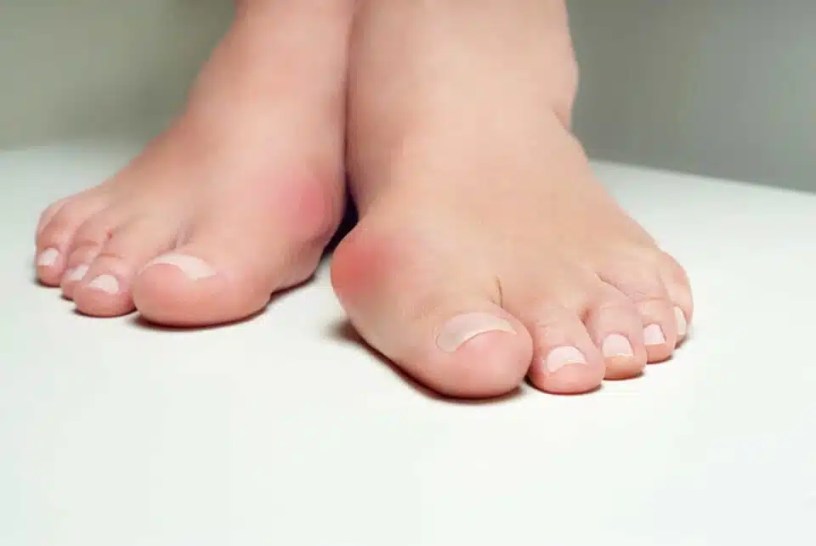
Bunions can significantly impact your daily life, making every step uncomfortable or even painful. If you’ve noticed a pronounced, swollen bump on the side of your big toe and have been curious about what it means or how to address it, this guide is here to help.
We’ll explore what bunions are, why they form, how you can manage them, and when to consider advanced treatment options to ensure healthier, pain-free feet.
What Are Bunions?
A bunion, also known as hallux valgus, is a bony bump that forms on the joint at the base of your big toe. This condition occurs when some of the bones in the front part of your foot shift out of place, causing your big toe to lean toward the neighboring toes. Over time, this misalignment leads to a visible protrusion and may result in discomfort, redness, and even swelling.
While anyone can develop bunions, they are particularly common in people who wear tight or narrow shoes, have a family history of bunions, or experience foot deformities due to arthritis.
What Causes Bunions?
Several factors contribute to the development of bunions. While they aren’t always preventable, understanding the causes may help reduce your risk of developing severe symptoms. Common causes include:
- Genetics – If bunions run in your family, you’re more likely to inherit the same foot structure or tendencies.
- Improper Footwear – Wearing shoes that are too tight, narrow, or pointed can push toes into an unnatural position, exacerbating the issue over time.
- Arthritis – Conditions like rheumatoid arthritis can weaken joint integrity and lead to bunion formation.
- Foot Shape or Mechanics – Flat feet, low arches, or abnormal foot mechanics can also increase the likelihood of bunions.
Symptoms of Bunions
The symptoms associated with bunions vary depending on their severity, but here are common signs to look out for:
- A Bulge or Bump – A visible lump on the outside of the big toe joint.
- Pain or Soreness – Ongoing discomfort in the affected area, especially when wearing tight shoes.
- Swelling and Redness – Irritation that may be aggravated by friction from shoes.
- Restricted Movement – A reduced range of motion in the big toe joint.
- Corns and Calluses – These can develop where your toes rub against each other.
If these symptoms significantly impact your daily life, it’s time to consider treatment options.
Managing Bunions Without Surgery
Before considering surgical interventions, there are several conservative treatments that can help alleviate bunion-related discomfort and prevent further progression. These include:
- Choosing Proper Footwear
Select shoes with a wide toe box that gives your toes enough room to spread. Avoid high heels or pointed shoes that add unnecessary pressure to the toe joint.
- Using Orthotic Inserts
Custom shoe inserts or over-the-counter orthotics can redistribute pressure across your foot, improving alignment and decreasing pain.
- Pain Management
Over-the-counter anti-inflammatory medications like ibuprofen can help reduce swelling and discomfort. Icing the affected area can also be effective.
- Toe Exercises
Strengthening and stretching your toes through targeted exercises can reduce stiffness and improve flexibility.
- Protective Pads or Splints
Gel pads or bunion splints help cushion the sensitive area, providing relief from friction and pressure.
While these methods won’t reverse the bunion, they can effectively manage symptoms and slow progression.
When to Consider Surgery
If conservative treatments no longer control your pain or if your bunion severely limits your daily activities, it may be time to explore surgical options. Bunion surgery, also known as a bunionectomy, involves correcting the alignment of the bones, ligaments, and tendons in your foot.
One common question patients ask is, is bunion surgery worth it? While the answer depends on individual circumstances, many people find significant relief from chronic pain and regain mobility after the procedure. A thorough consultation with a podiatrist or orthopedic surgeon will help you understand your condition and determine if surgery is the right step forward.
Postoperative Recovery for Bunion Surgery
After bunion surgery, recovery requires patience and attention to your foot health. Here’s what you can expect post-surgery:
- Rest and Elevation – Allow your foot to heal by keeping it elevated and limiting movement during the first few weeks.
- Physical Therapy – Rehabilitation exercises may be necessary to regain full mobility and strength.
- Footwear Adjustments – Once cleared to wear shoes again, prioritize proper-fitting, comfortable footwear to prevent recurrence.
The recovery timeline varies but typically spans 6 to 12 weeks, depending on the severity of the bunion and the type of surgery performed.
Prevention Tips for Healthier Feet
While genetics may predispose you to bunions, adopting proactive steps can help maintain healthier feet and reduce complications:
- Choose Supportive Shoes
Opt for shoes with arch support, cushioning, and a wide toe box.
- Monitor Pain Early
Address discomfort as soon as you notice it. Early intervention is key to minimizing long-term damage.
- Maintain Proper Weight
Keeping a healthy weight helps reduce pressure on your feet.
- Stretch and Strengthen Feet
Regular exercises improve flexibility and support your foot’s natural alignment.
Your Path to Healthier Feet
Bunions can disrupt your everyday life, but understanding their causes, symptoms, and treatment options can lead to a healthier path forward. Whether it’s exploring non-invasive methods or considering advanced surgical solutions, taking action will improve your quality of life.
If you’re dealing with persistent foot pain or aren’t sure how to start, consult a podiatrist to discuss tailored options for your situation. Remember, your feet carry you through life—taking care of them is essential.
By addressing bunions early and adopting a proactive approach, you can enjoy greater mobility, less pain, and long-term foot health.
 The Official Health blog